


20 stories for 20 years: Bringing small business owners to the table
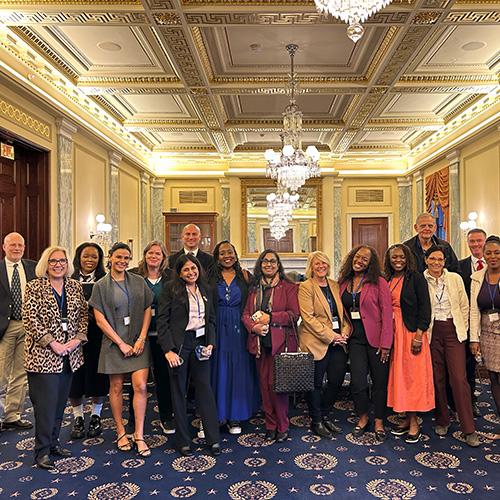
Between managing customers, building inventory and paying bills, setting up meetings with elected officials is the last thing on the minds of most small business owners. And that’s unfortunate, because here at Small Business Majority we’ve found that even though our in-house policy experts and researchers can have a significant influence on policy, there is no substitute for the impact a small business owner can have when they explain directly to their representatives how a particular proposal or existing law impacts them. That’s why we’re committed to creating opportunities to ensure that entrepreneurs have an actual seat at the table when policymakers are making decisions that affect the small business community.
One of the ways we do that is by hosting in-person advocacy events for small business owners to visit with federal policymakers Washington, D.C., or with officials in their particular state. As part of our work with the Small Business Tax Reform Coalition, for example, we helped host an advocacy fly-in earlier this year for nearly 30 small business owners. That group attended 60 meetings with federal legislators ahead of the debate on Capitol Hill over whether or not to extend or modify key expiring provisions in the 2017 Tax Cuts and Jobs Act.
From a small business perspective, the most important of the expiring provisions was Section 199A, which allows pass-through entities (about 95% of all small businesses) to take a 20% standard deduction on qualified business income. The problem with this deduction is that the benefits are skewed: the highest earning pass-through entities claimed an average deduction of over $1 million in 2021, pass-throughs with adjusted gross incomes below $100,000 took home an average deduction of just $1,997. Instead of keeping 199A as currently written, our group of entrepreneurs advocated for a $25,000 standard deduction, which would benefit the overwhelming majority of small businesses by targeting the deduction to businesses that make up to $400,000 in adjusted gross income. Thanks to these efforts, U.S. Sen. Ben Ray Luján (N.M.) and U.S. Rep. Gwen Moore (Wisc.) introduced legislation that would have codified this change to help more Main Street businesses. While we were able to make progress and spark conversations about the merits of 199A sparking debate in every stage of the legislative process from markups to the House and Senate floor, it did not ultimately pass.
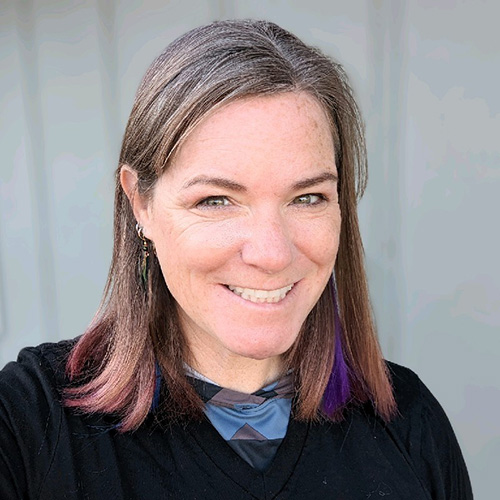 “I feel extremely honored to be a part of those fly-ins and the community,” fly-in attendee and climbing gym business owner Kristin Horowitz said recently. “I don't know if it's who you select or if it's us all self-selecting, but it's really amazing to have this fraternity of diverse, exceptional business people that [Small Business Majority] brings together - and I love your [SBM] team.”
Most recently, we hosted another fly-in in October for small business owners from around the country to meet with the offices of more than 40 offices on Capitol Hill and with the U.S. Small Business Administration’s Office of Advocacy. These visiting entrepreneurs discussed the need to protect affordable healthcare, notably asking for an extension of the Affordable Care Act’s (ACA) enhanced premium tax credits (EPTC). This was a critical message to deliver because about half of all Affordable Care Act (ACA) marketplace enrollees are small business owners, employees, or self-employed individuals, and the EPTCs have lowered premium costs for 82% of small business owners ACA marketplace enrollees. With the EPTCs set to expire at the end of 2025, millions of small business owners and their employees that utilize them face an estimated 114% average premium increase next year if Congress fails to act. This would create a healthcare affordability crisis for the small business community, including many of our fly-in attendees.
Additionally, Small Business Majority creates opportunities for entrepreneurs to testify at formal hearings on proposed legislation and on issues that would impact their businesses so that policymakers can take their needs into account. On the federal level, manufacturing business owner Shirley Modlin testified in the U.S. House in November to discuss issues impacting her business and small manufacturers nationwide, including tariffs, workforce shortages and rising healthcare costs. This February, restaurant and catering business owner Alejandro Flores-Muñoz testified before the Colorado legislature in support of HB25-1174. This bill would have reduced bills that patients receive from big hospital systems and, in turn, supports small business owners who provide their employees with health insurance through the small group market.
While in-person advocacy is powerful, it’s not the only way that small business owners can make their voices heard. Small Business Majority regularly connects entrepreneurs with reporters so their story can be included in news coverage and feature them on our blog and social media platforms. Additionally, we help small business owners place longer opinion pieces and shorter letters to the editor on key small business issues in local newspapers. In July, for example, we helped childcare business owner Janna Rodriguez place a letter to the editor on how Medicaid cuts would harm both her business and the families she cares for.
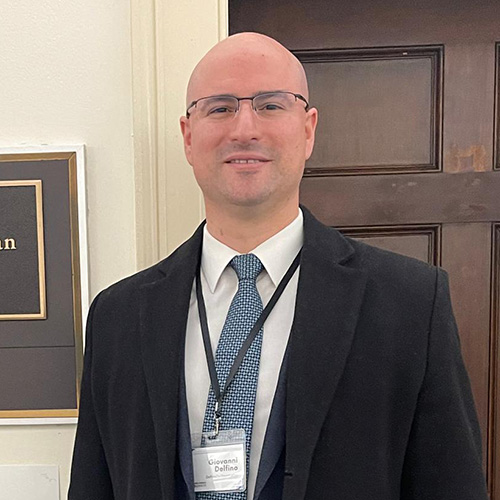 Fly-in attendee and business consulting firm owner Giovanni Delfino sums it up: "I'm proud to be part of the Small Business Majority National Council! This incredible organization works tirelessly to advance policies that empower small businesses and strengthen local economies. Advocacy and civic engagement are the backbone of a healthy democracy. We all share the responsibility to stay active — not just to talk, but to take part, listen, and build solutions together. It’s not a game; it’s about real dialogue and real stories — the ones that truly make a difference."
20 Stories for 20 years
Since our founding in 2005, Small Business Majority has worked to empower America’s diverse entrepreneurs to build a thriving and inclusive economy through a mix of advocacy and education. But none of what we do would be possible without the people and organizations who lend their support – and their voices. As we recognize our 20th anniversary, we believe it’s important to honor those who helped us improve the landscape for small businesses over the years. One of the ways we’re doing that is through a series of 20 stories that reflect on the past and present of Small Business Majority, and also celebrate the ways in which we have worked as a collective to advance our mission to level the playing field on behalf of America’s entrepreneurs.