


20 stories for 20 years: Second chances for justice-impacted entrepreneurs
Although many aspiring entrepreneurs pursue small business ownership as a way to fulfill their dreams, others start small businesses because they have few other options. Over 70 million Americans have trouble finding work due to a criminal record. As a result, formerly incarcerated people are 50% more likely to start their own business and create their own job, showing the important role that entrepreneurship plays for justice-impacted individuals. Despite the resolve of formerly incarcerated individuals to start their own businesses, these entrepreneurs face unique challenges – from accessing capital to obtaining essential licenses.
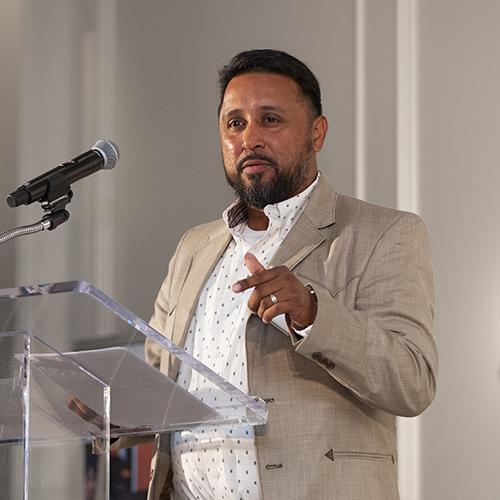
Ruben Mauricio is one example of someone who forged a career for himself after leaving prison. Ruben founded RPM Diesel Services in Denver City, Texas, after gaining skills and knowledge through the Prison Entrepreneurship Program (PEP) during his incarceration. His training, however, didn’t ensure a smooth or easy journey to small business ownership. Obstacles remained, including finding the funds to get started.
After traditional lenders turned RPM away, PEP’s CDFI, Entre Capital, was eventually able to supply the money needed for Ruben to acquire the trucks to grow his company. But his experience is all-too-common as entrepreneurs like Ruben face systemic barriers while also confronting prejudices that make it difficult to own a successful small business. That’s why Small Business Majority advocates for policy solutions like occupational licensing and fair chance lending that expand the pathway to business ownership for all individuals, including those with criminal records.
Additionally, holding an occupational or professional license is critical to working within many industries. Small Business Majority’s research found that 43% of small business owners say that their business requires occupational or professional licensing to own or work for the business and additional 41% of entrepreneurs say their business contracts or works with another company that requires them or their employees to have occupational or professional licensing. Since it can be impossible to start a small business without one, it’s concerning that justice-impacted entrepreneurs face more hurdles to getting one.
Many states allow licensing authorities to use vague character standards, such as a lack of “good moral character” to deny licenses. These standards are subject to interpretation and may lead to unfair denials based on biases, unnecessarily keeping people with prior criminal records from starting businesses and preventing willing employers from contracting with them. That’s why Small Business Majority advocates for occupational licensing reform in states like Colorado, Georgia and beyond. We testified on how it would allow Colorado small business owners to recruit from an underutilized candidate pool to help relieve the state’s workforce shortage and would support aspiring entrepreneurs. The legislature then passed HB24-1004, so now Colorado’s regulatory boards can only consider past convictions if they’re directly related to the individual’s profession three years after an individual’s incarceration.
While we’ve made significant progress toward lowering barriers to returning citizens’ ability to start small businesses or find employment, the work is far from over. By continuing to advocate for policies that give a second chance to justice-impacted entrepreneurs, we will help create a fairer and more inclusive economy that all Americans can participate in.
20 Stories for 20 years
Since our founding in 2005, Small Business Majority has worked to empower America’s diverse entrepreneurs to build a thriving and inclusive economy through a mix of advocacy and education. But none of what we do would be possible without the people and organizations who lend their support – and their voices. As we recognize our 20th anniversary, we believe it’s important to honor those who helped us improve the landscape for small businesses over the years. One of the ways we’re doing that is through a series of 20 stories that reflect on the past and present of Small Business Majority, and also celebrate the ways in which we have worked as a collective to advance our mission to level the playing field on behalf of America’s entrepreneurs.