


Meet the Missouri Entrepreneur transforming lives through inclusive hiring and second chances
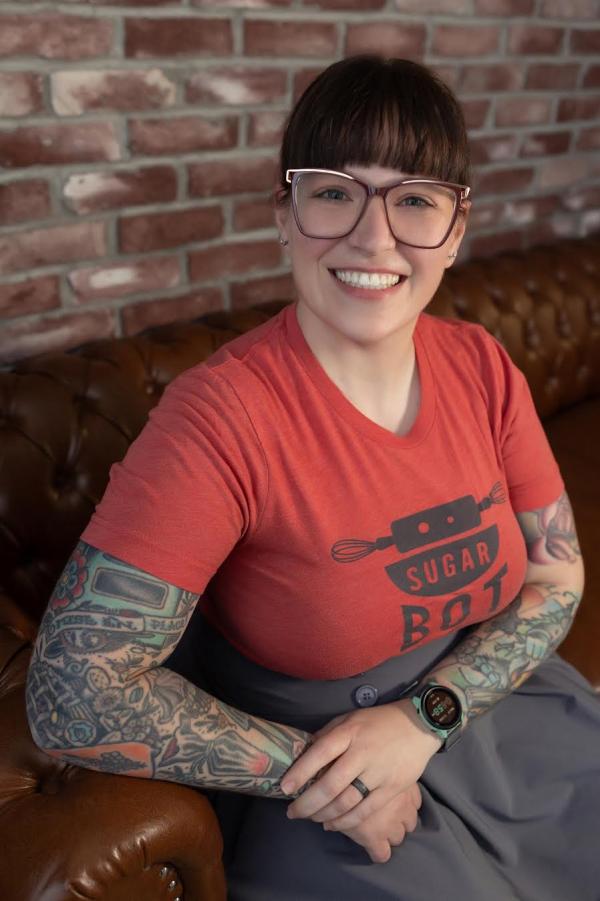
After being laid off from her job as a graphic designer, Jackie Huebbe found herself unemployed and with a house in foreclosure, uncertain of what would come next. It was then that her passion for helping those in need and offering second chances was born. Years later, after rebuilding her life and facing another corporate layoff, Jackie decided to bet on herself and take control of her future, launching her small business, SugarBot Sweet Shop & Creamery.
“The second time, I had a great boss and was involved in the process. I knew what was coming, was offered severance, and had time to make a plan. I used that to start my business,” Jackie said.
Inspired by her love for baking and childhood memories of making Jello creations with her grandmother, Jackie launched SugarBot Sweet Shop in St. Louis, MO, in 2012. SugarBot Sweet Shop moved to a permanent home in St. Charles, MO., in 2015, and has since grown to incorporate a second storefront, SugarBot Creamery, which was added in 2018. The small business offers a variety of baked goods and ice cream – all scratch-made on site between both St. Charles locations.
Jackie credits the shop’s initial success to the business acumen she gained while working in local cafes and her investment in building community through inclusive hiring. The shop places an intentional focus on hiring from under-resourced groups, including LGBTQ+ folks, transitional youth, neurodivergent communities and those looking for a second chance due to previous incarceration.
“When I started hiring folks, I made it a point to give people chances that were trying to also make jumps, like I was…. [I’m] trying really hard to show folks that they're seen and that they are part of a community,” Jackie said.
Jackie was introduced to second-chance hiring through Vision Leadership, where she saw the impact of the justice system on individuals and their ability to find a job. After connecting with the Transformative Workforce Academy at Saint Louis University, a program designed to prepare justice-involved job seekers and connect them with interested employers, Jackie hired her first second-chance employee. Since then, the shop has hired about 15 people with justice-impacted backgrounds.
"We hired an initial justice-impacted employee in 2021, and he’s been with us four years. He's since been promoted into a leadership role.” Jackie said.
For Jackie, employing a justice-impacted employee is no different than hiring from the “general population,” and often, she finds that those who come from justice-impacted backgrounds are more understanding of her journey as a business owner. This outward impact and internal reward make all the difference to her and her team.
“It is really neat to see the impact that you can have just by caring…. It legitimately makes their day to realize that someone is thinking of them, that the general public knows that they exist. We all want to know that our work is being seen and valued,” Jackie said.
To other business owners looking to build an inclusive workplace and become second-chance employers, Jackie advises keeping an open mind, putting yourself in others’ shoes and connecting with nationwide organizations, like the Responsible Business Initiative for Justice and HonestJobs.com or state-level programs - including contacting local prisons about job fairs, to get started.
“The best prevention for recidivism is employment, so even the smallest business can have a major impact on their community,” Jackie said.